A NASA physicist, a paper insect, and your steering wheel
nicole gluckmanIn the early 1990s, car engineers were stuck: they needed to fit a massive, life-saving airbag into the tiny, cramped column of a steering wheel. The problem? They couldn’t figure out how to fold it without it bunching up or deploying unevenly.

Their eventual solution didn’t come from a car mechanic, but rather from Robert Lang, a NASA physicist ready to leave his job to pursue origami full-time.
Yes, you read that right: NASA physicist turned paper folder.

When Lang first began dedicating more of his time to the ancient art of origami, he probably had an inkling that his geometric creations would inspire awe, but he probably didn’t imagine that his paper-folding skills would be called upon to solve critical, real-world challenges.
Spoiler alert: That's exactly what happened.
Before Lang officially left his aero-physicist career to follow his calling as an origamist, the industrial world had already come knocking—namely, in the 90s, when in need of a tidy solution to their bulky airbag problem. Lang applied his origami-based mathematical solution to the issue, one crease at a time. The right tuck, the perfect angle, and an exacting measurement were precisely what the automotive industry needed to fit their safety mechanism into the constricted space of the steering column.

Robert J. Lang
At that time, Lang had already been studying origami for decades, so while the airbag solution certainly didn’t come overnight, he did have years of experience that supported his eventual success—though this experience presented itself in the form of some very unusual characters. Among them were origami koi fish, hummingbirds feeding from trumpet vines, elephants, an organist (playing an organ), insects, and more.

He even drafted a full-sized cuckoo clock that took him months to design and build—a piece that earned him almost instant fame among origami circles, and justifiably so. Not only did it feature a deer head with antlers, a bird perched on a platform, a pendulum, hour and minute hands, and other realistic details, but it was, at the time, the most complex object ever folded from a single sheet of paper (1x10-feet to be exact).
In his pursuit to fold the perfect origami insect, Lang had developed a complex algorithm for transforming single sheets of paper into incredibly realistic insects with many legs that could expand into lifelike form. He realized that the same math used to sprout legs from a square of paper could be used to collapse a large nylon bag into a perfectly symmetrical, compact shape. His origami-based patterns allowed airbags to expand instantly and safely—a design principle still used in millions of vehicles today.

While I may not (read ‘do not’) have a NASA background, I find Lang’s early interest in the arts relatable. Similar to Lang, who was introduced to origami when he was only 6 years old, my jewelry design journey began at a young age while collecting beads and sequins off the floor of my grandmother’s New York-based accessories store.
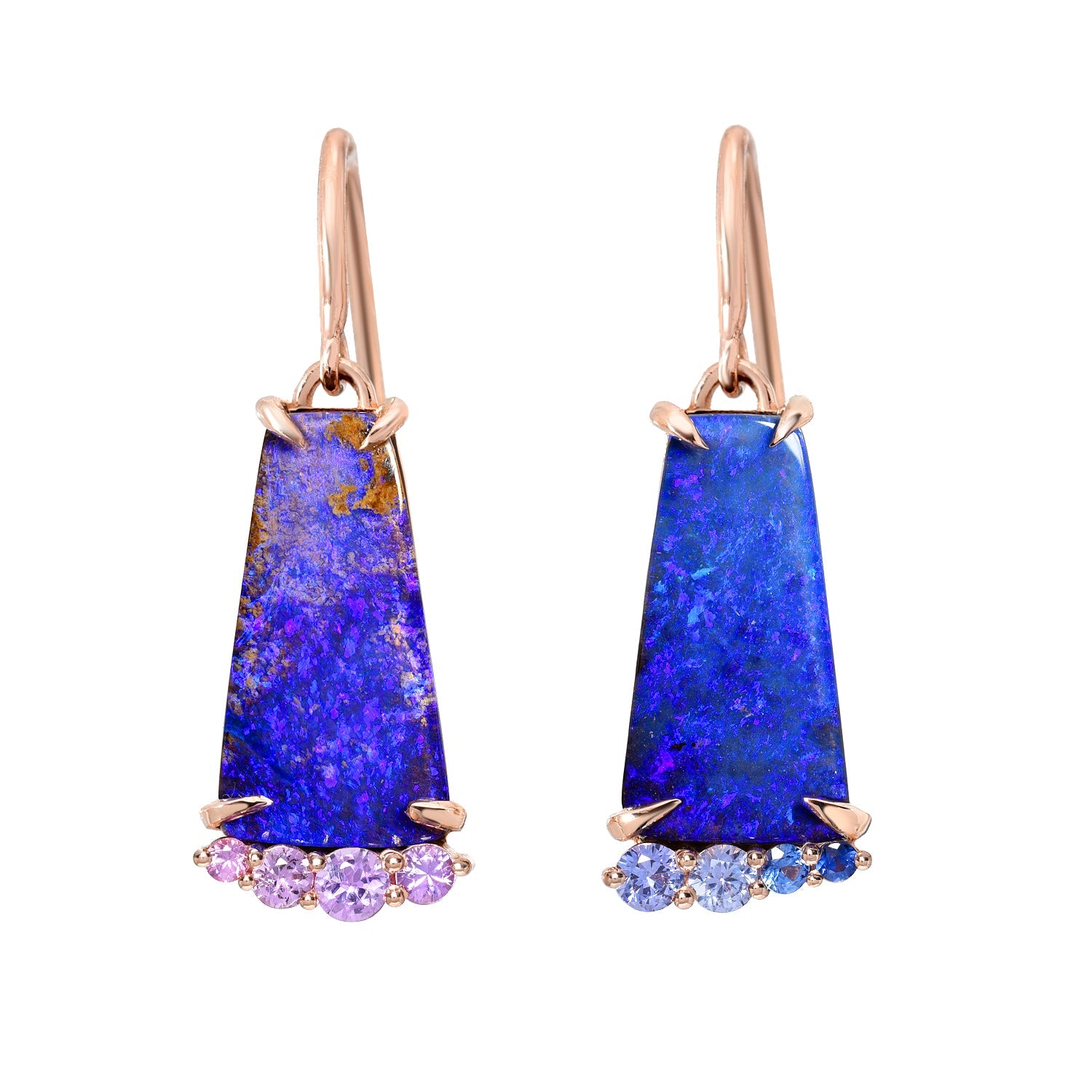
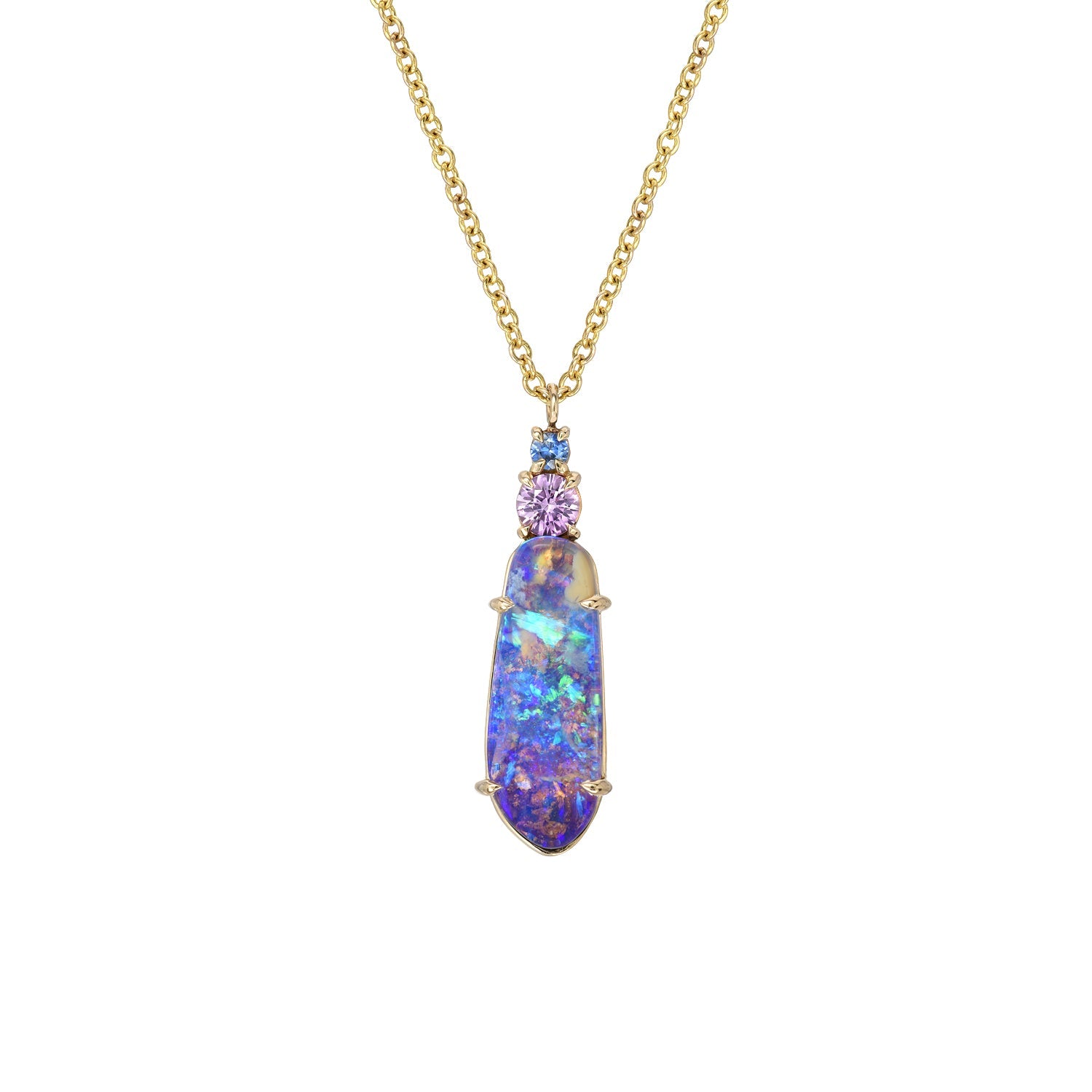
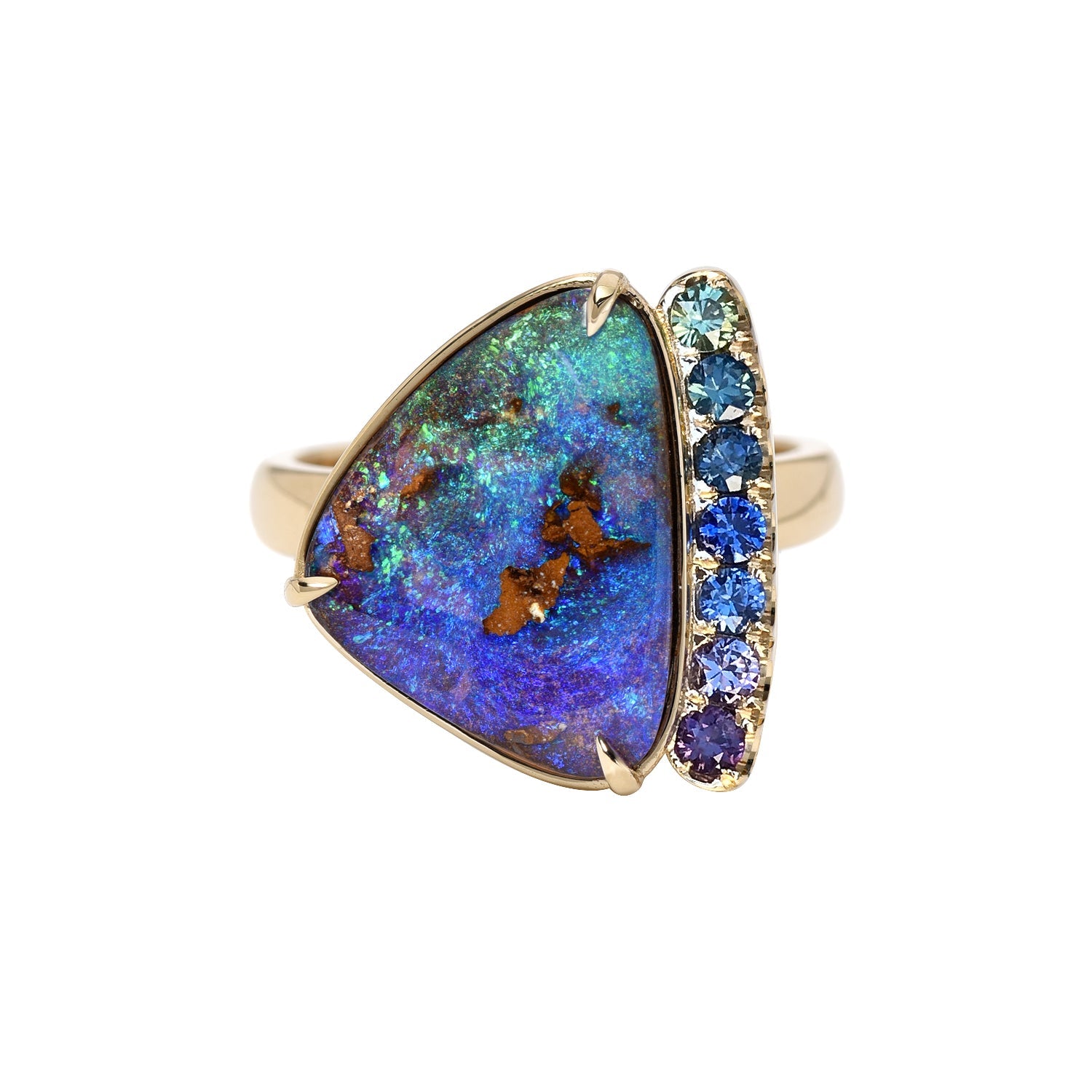
My most recent creation is a visual metaphor for the clever geometry of origami. The angular cuts on the shimmering opal nuggets in the Above the Fold studs present like crease patterns—the sharp, intentional lines of a design waiting to unfold. Echoing the spirit of Lang’s masterfully folded works, these earrings reveal a beautifully profound power in the most elemental geometry.