The gem that cost a Roman senator his freedom
nicole gluckmanIt’s said that ancient Romans believed opals contained every gemstone known to man. And if anyone could speak to why, it was Pliny the Elder, commander of Rome's imperial fleet, personal friend of the emperor Vespasian, and a man who spent every spare hour trying to catalogue the entire natural world—plants, animals, minerals, the stars—in a single sprawling encyclopedia so vast that opals didn't just get a mention, they got their own chapter.

Pliny the Elder
When Pliny perished during the catastrophic eruption of Mount Vesuvius in 79AD, his nephew (Pliny the Younger) ensured the unfinished remainder of his uncle's final and most famous work, Naturalis Historia (Natural History), was published. Spanning 37 volumes, the encyclopedia saves opals for last—quite literally. It's in the final book that the polymath explains why his contemporaries valued them so highly.

Naturalis Historia - Illuminated leaf, c. 1476
In chapter 21, Pliny recorded everything he knew about the fiery gems. The Latin terms he used were precise: carbunculus for the deep, fiery red of garnet and ruby and smaragdus for emerald. With those in mind, he described opals as displaying "the subtle fires of the 'carbunculus,' the flashing purple of the amethyst and the sea-green tint of the 'smaragdus,' all combined together in incredible brilliance." Opals, he believed, yielded "precedence only to the 'smaragdus,'" and India, he was certain, was their sole source. However, today's historians believe they really came from modern-day Slovakia. And apparently, in Rome, opals could cost a man his career—a lesson one senator learned decades before Pliny was even born.
According to Pliny, the Roman general and triumvir Marcus Antonius (Mark Antony) so coveted a magnificent opal ring belonging to the senator Nonius that he had him proscribed—outlawed, his property forfeited—when Nonius refused to comply. As the story goes, Antony wanted the ring as a gift for Cleopatra (though Pliny himself never mentions her). Unwilling to part with his opal ring, Nonius chose exile over surrender, fleeing Rome with nothing but the ring itself. Pliny doesn't record what Antony offered for it, but he does record its worth: "there is no doubt that at that time the value of the ring was 2,000,000 sesterces"—twice the fortune a man needed just to qualify for a seat in the Roman Senate.

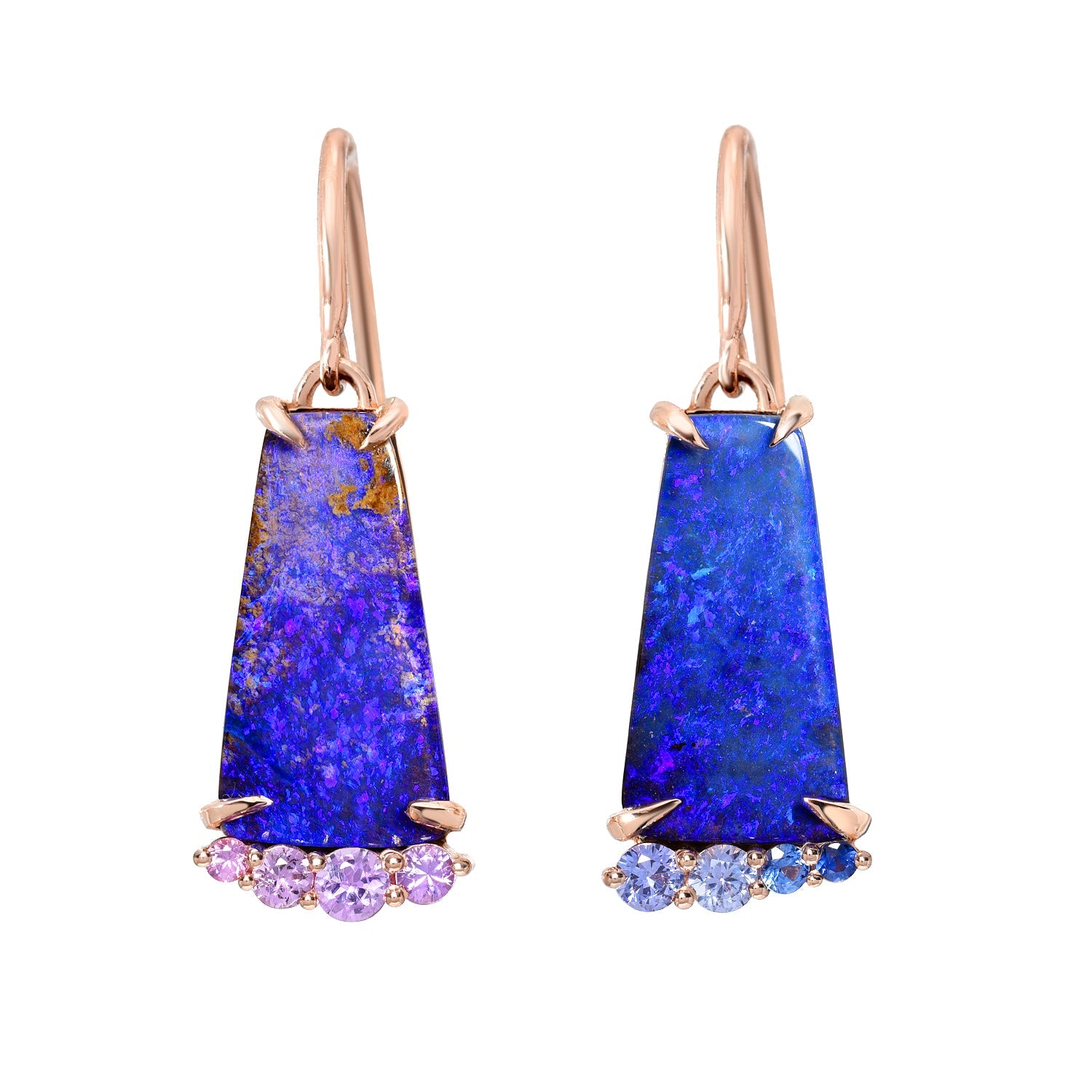
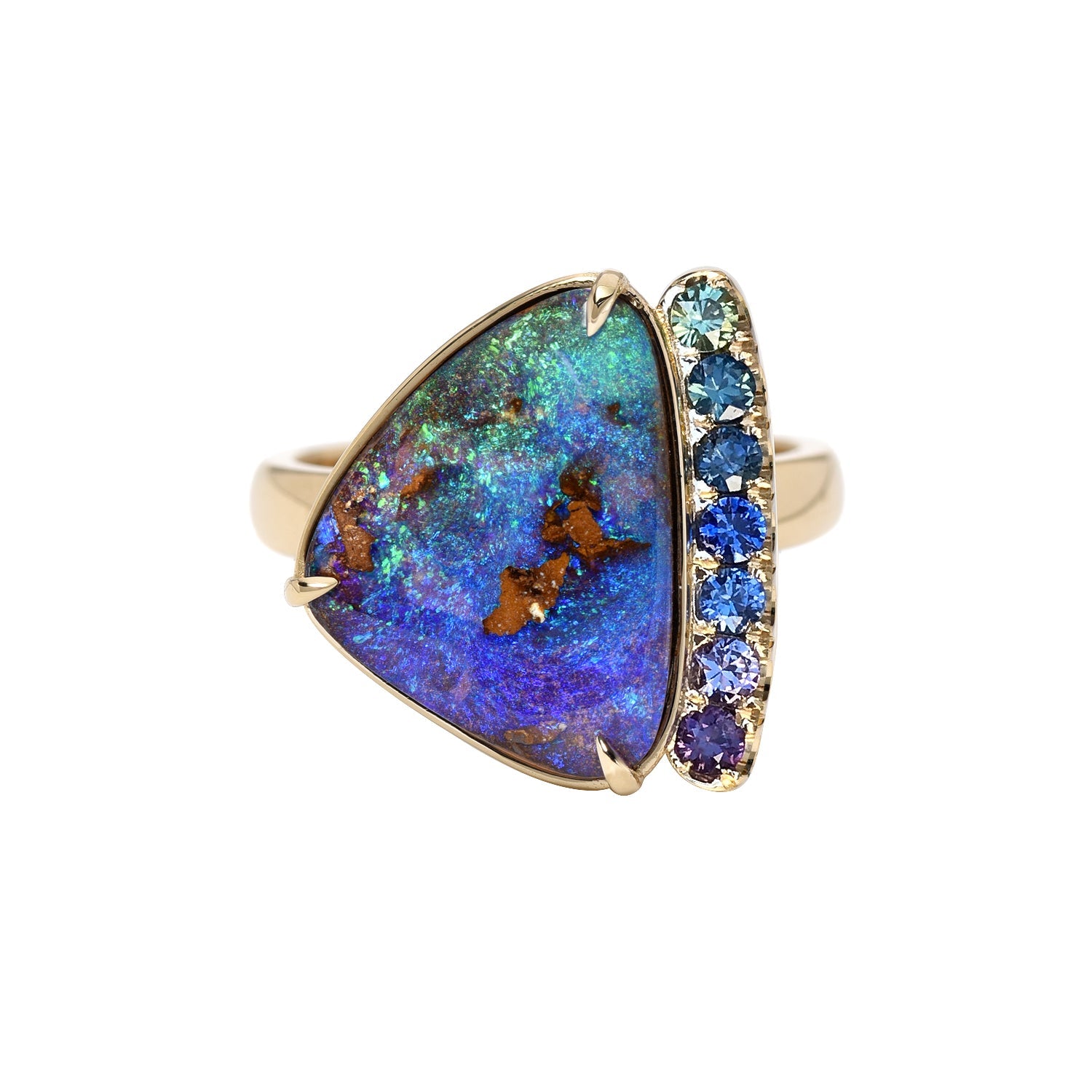
Nonius’ ring, reimagined
“How amazing was Antonius' savagery and extravagant caprice in outlawing a man for the sake of a gemstone, and, equally, how extraordinary was the obstinacy of Nonius in clinging to his 'doom,' when even wild creatures are believed to buy their safety by biting off the member which, as they know, endangers their lives, and leaving it behind for their pursuers,” Pliny further remarked.
We know that opal was among the most prized gems in ancient Rome—alongside emerald, pearls, and diamonds—but even genuine opals could sometimes fall shy of expectations. Pliny wrote that the stone's flaws showed up as colors tending "towards that of the flower of the plant called heliotrope, or of rock-crystal or hail, as well as the occurrence of salt-like specks or rough places or dots that distract the eye." Worse, a well-made fake was almost impossible to catch. Pliny claimed no stone was harder to distinguish from a counterfeit—glass imitations, crafted by a skilled hand, could fool even a careful buyer.

Glass opal simulant
Pliny’s test for a real opal was pretty simple and is still commonly used by jewelers today. He recommended holding the stone between the “thumb and finger against the rays of the sun,” where “the radiance of the genuine stone continually changes and at different times scatters its colours more intensely from different parts of the stone, shedding a bright light on the fingers where it is held.”
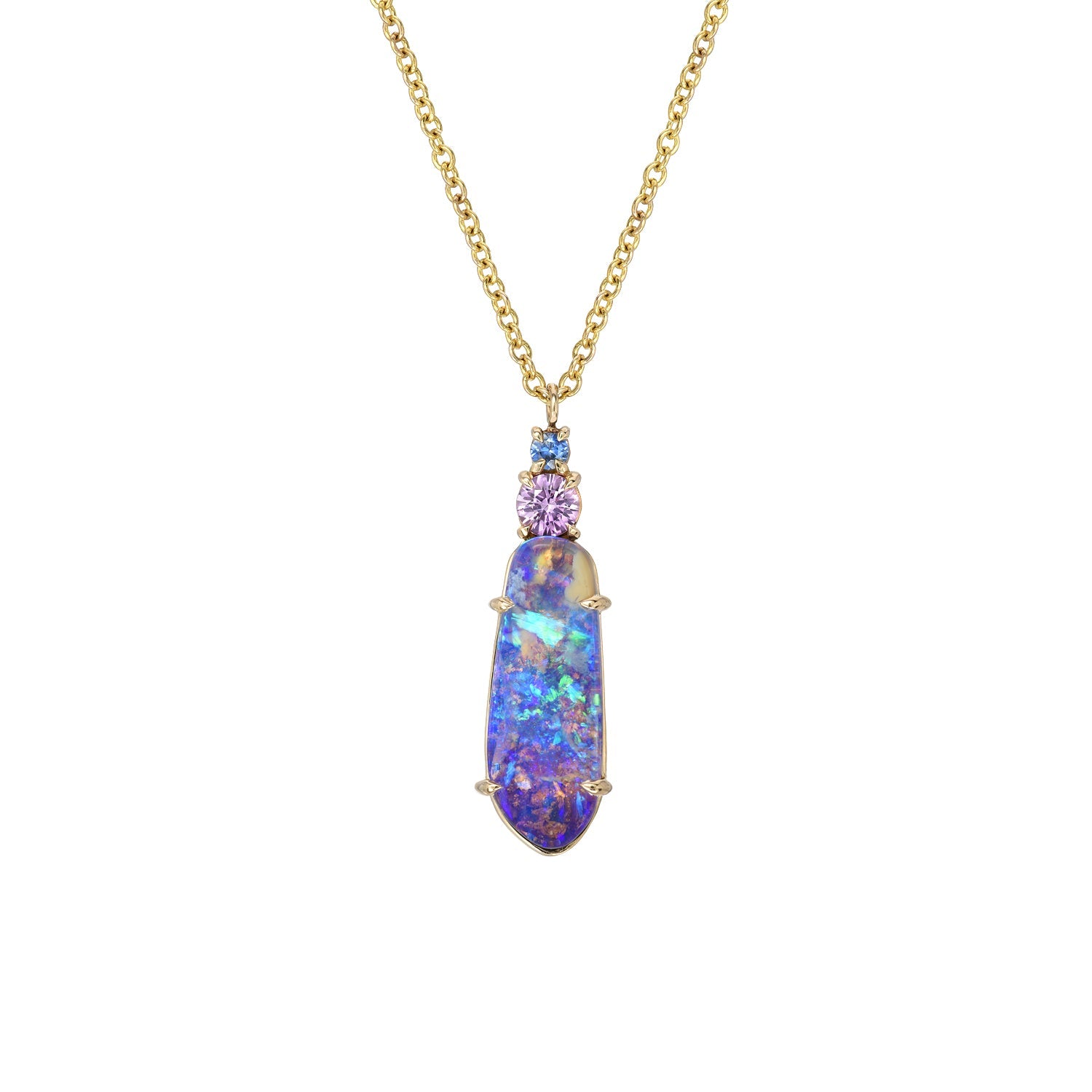
Here at NIXIN, we personally select every opal from sources we know and trust, so you can be sure you’re getting the real thing—and with a unique story to match. A couple of our favorites include our Up Necklace—a whimsical piece featuring two of ancient Rome’s revered gems, opal and emerald, as well as our Pigment Introspective Ring with an asymmetrical opal that radiates a rainbow of colors.