The most coveted secret in Europe
nicole gluckmanLouis XIV built the Palace of Versailles on the backs of France’s working class. But its crown jewel, the breathtaking Hall of Mirrors, was built on something far more dangerous: industrial espionage.

Palace of Versailles
Lining the hall with 357 mirrors filling 17 massive arches was a bold declaration of French prosperity, and proof that the state-backed Manufacture Royale des Glaces de Miroirs (or "Royal Glass and Mirror Works") could rival the fiercely guarded glass and mirror monopoly once held by the Venetians.

To understand how fiercely that monopoly was guarded, you have to go back nearly four centuries—to 1291, when the Venetian Great Council issued a decree forcing all glassmakers to relocate to the island of Murano, roughly two miles away from the city of Venice. Officially, it was framed as protecting Venice's wooden buildings from devastating fires. Unofficially, it was really a lockdown strategy—a way to keep Venice's glassmaking secrets from ever leaving the Republic. While Murano’s glassblowers were granted astonishing privileges, including the rare right to carry swords, that prestige was essentially a gilded cage. The Council’s decree was backed by a deadly rule: any artisan who tried to leave or expose trade secrets faced the death penalty, and their families were imprisoned.

Murano Island
Still, not even the threat of execution could overshadow the allure of freedom. Around 1664, determined to end France's costly dependence on Venetian imports, Jean-Baptiste Colbert, France’s Minister of Finance, ordered the French ambassador in Venice to orchestrate a high-stakes heist: covertly bribe Murano’s master glassmakers. The offer? Wealth, tax-exempt status, and royal protection if they risked it all to escape to Paris.

The gambit worked. A handful of Murano's finest glassmakers vanished from the island and resurfaced in Paris, trade secrets in hand. Venice’s retaliation was swift and ruthless. First, the Council of Ten jailed the defectors’ families. Then, they dispatched assassins to Paris—not to negotiate, but to poison the turncoat craftsmen. Venice managed to silence several workers it claimed as state property, driving others to flee back home in terror. But it was too late. Their coveted secrets had already spilled, and French apprentices had mastered the craft. The company born from that deadly heist—Saint-Gobain—is still thriving today as one of the world's largest building-material giants.

Venice's former monopoly wasn't just about who could blow glass—it had also been about who understood the chemistry. Take cristallo: its clear secret was almost absurdly simple—a pinch of manganese oxide stirred in to cancel out the iron impurities that gave ordinary glass its dull, greenish cast. That kind of precise, hard-won knowledge is what Venice guarded with prison and poison—and what let its glassmakers conjure the closest thing to magic in their day: glass so impossibly clear it mimicked rock crystal (cristallo), marbled glass echoing chalcedony and agate (deemed “calcedonio”), and a milky, luminous creation called lattimo—from the Italian latte, or milk—designed to mimic the Chinese porcelain flooding into Europe, and later dubbed opalino for the way it captured the visual characteristics of true opal. Venice understood before anyone else that light—captured, refracted, and tamed—was the ultimate luxury.

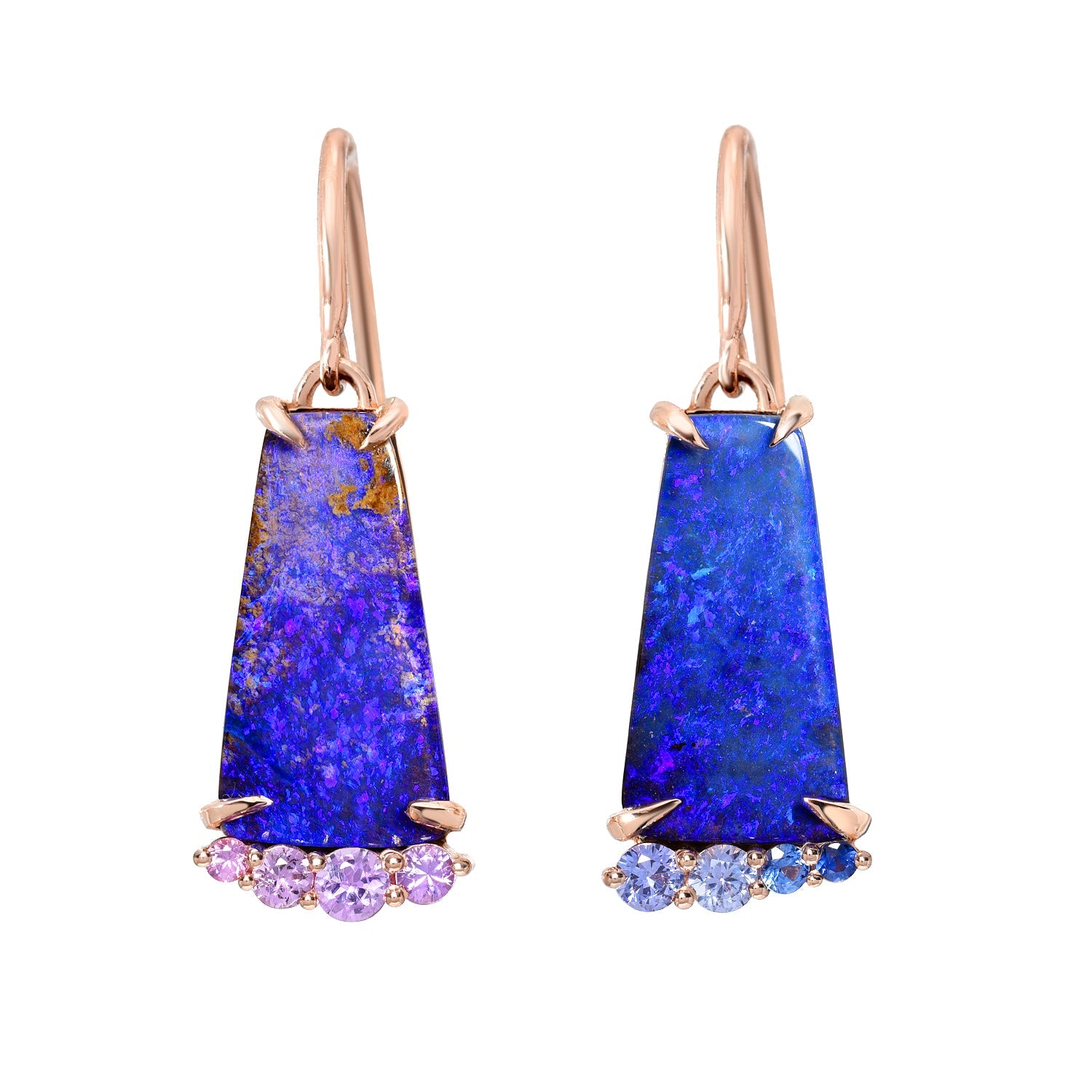
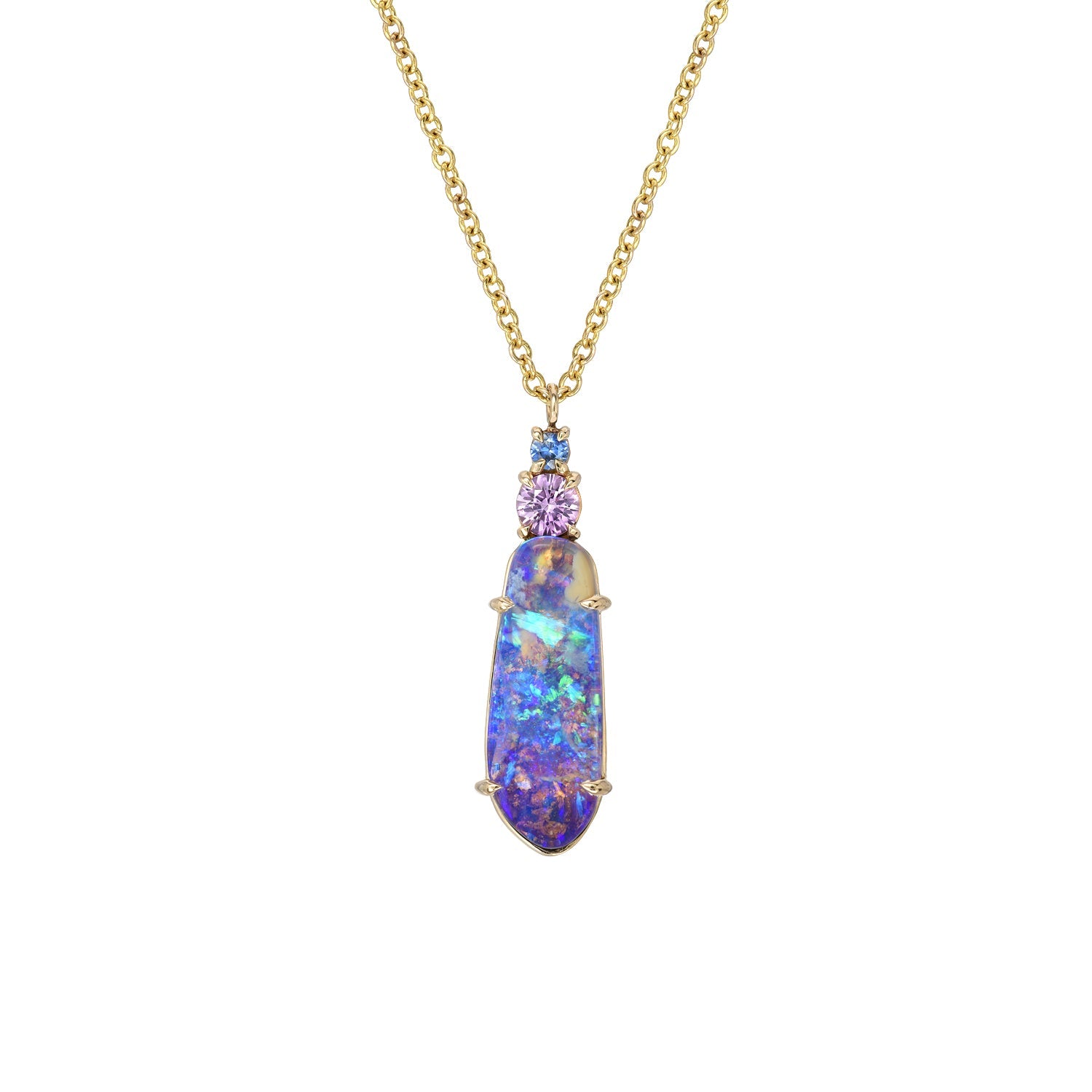
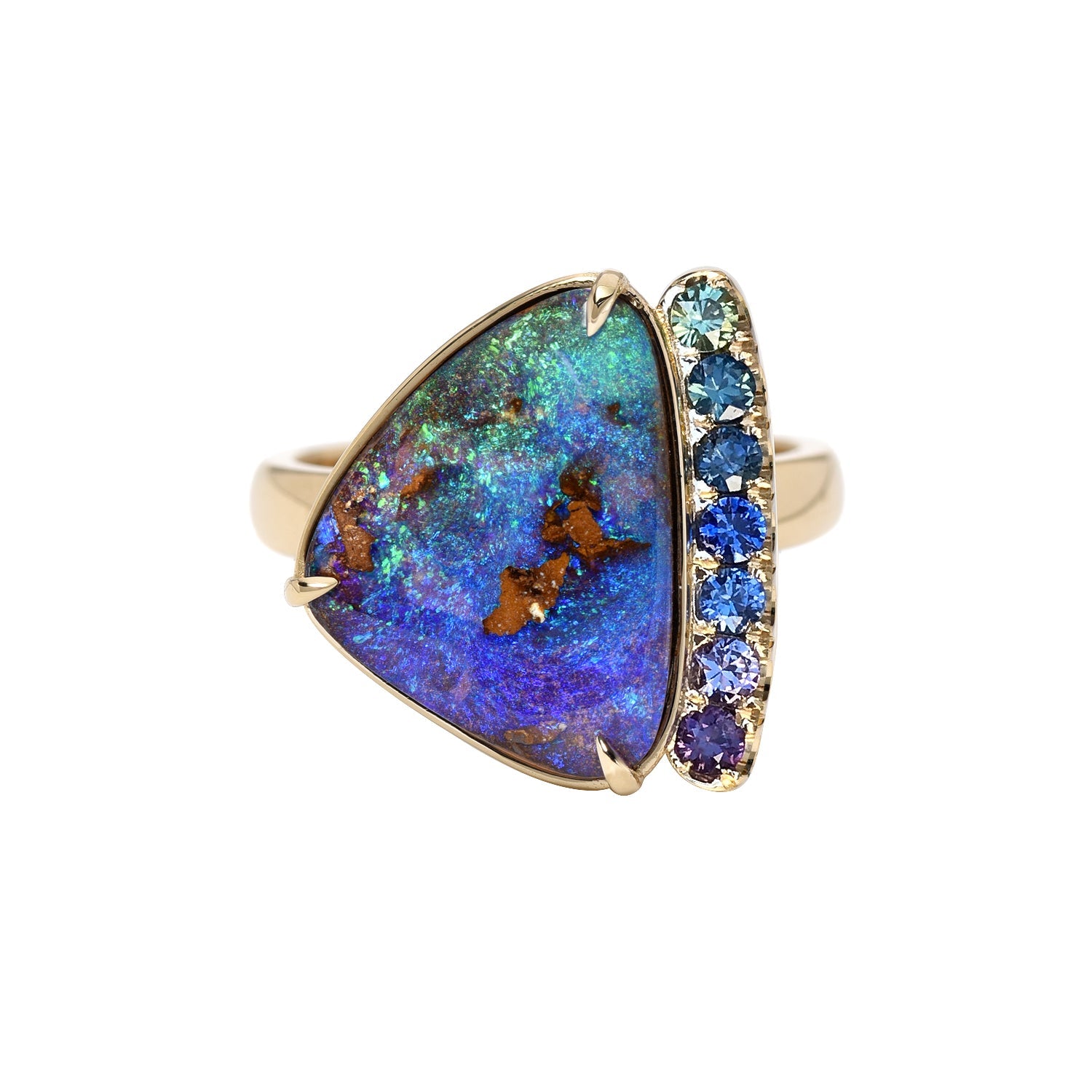
The irony is that Murano’s glassmakers spent centuries perfecting an imitation of something nature had already mastered. I’ve always felt drawn to the source rather than the illusion. An Australian opal doesn't pretend to be something else. It simply is what it is, forged 100 million years ago without a single human hand involved.